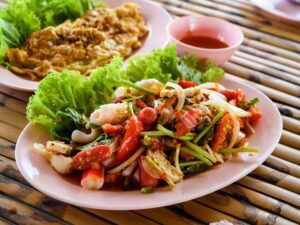
Spicy Foods from Around the World
Exploring spicy foods from different cultures reveals the remarkable diversity of heat applications, traditional preparation methods, and regional ingredient combinations that create distinctive culinary traditions while demonstrating how capsicum peppers and other heat sources have shaped global cuisine development throughout human history. Understanding international spicy food traditions provides insight into cultural values, agricultural heritage, and social customs while expanding culinary horizons through exposure to authentic preparation techniques and traditional flavor combinations that reflect centuries of culinary evolution.
Global spicy cuisine demonstrates the universal appeal of heat-enhanced foods while showcasing remarkable creativity in heat application, ingredient combination, and preparation methods that create unique cultural expressions through food traditions that serve social, nutritional, and cultural functions beyond simple sustenance. From Korean fermented heat applications through Indian complex spice systems to Mexican chocolate-chili combinations, international spicy foods offer endless learning opportunities for curious cooks and adventurous eaters seeking authentic cultural experiences.
Asian Spicy Food Traditions and Techniques
Spicy foods from Asia encompass diverse heat applications and preparation methods that reflect varied climates, agricultural systems, and cultural philosophies while creating some of the world’s most sophisticated and complex spicy cuisine traditions that balance heat with other essential flavor elements.
Chinese Regional Heat Applications
Sichuan peppercorn numbing heat: Sichuan cuisine utilizes the unique numbing heat of Sichuan peppercorns (hua jiao) combined with chili peppers to create the signature “ma la” flavor profile that provides both heat and numbing sensations through traditional preparations including mapo tofu, hot pot, and kung pao preparations. This distinctive heat application creates complex sensory experiences that distinguish Sichuan cuisine from other regional Chinese cooking styles.
Hunan dry heat intensity: Hunan province cuisine emphasizes pure, dry heat applications through generous chili pepper usage that creates intense, direct heat experiences without the numbing elements found in Sichuan cooking. Traditional Hunan preparations showcase fresh and dried peppers through stir-frying techniques that concentrate heat while maintaining vegetable textures and bright flavors that provide complexity beyond simple heat delivery.
Xinjiang cumin-chili combinations: Western Chinese Xinjiang cuisine combines Central Asian influences with Chinese techniques while utilizing cumin and chili combinations that reflect Silk Road trade influences and nomadic cooking traditions. These preparations often feature grilled meats and flatbreads with aromatic spice combinations that provide warmth suitable for harsh continental climates while creating unique fusion flavors.
| Chinese Region | Signature Heat Elements | Traditional Dishes | Heat Characteristics |
|---|---|---|---|
| Sichuan | Sichuan peppercorns + chili | Mapo tofu, hot pot, dan dan noodles | Numbing and burning (ma la) |
| Hunan | Fresh and dried chilies | Orange beef, spicy tofu, hot pot | Pure, intense, dry heat |
| Xinjiang | Cumin, chili, black pepper | Lamb skewers, lagman noodles | Warming, aromatic heat |
| Guizhou | Fermented chili pastes | Sour fish soup, spicy chicken | Complex, fermented heat |
Indian Subcontinent Spice Complexity
North Indian garam masala traditions: Northern Indian cuisine utilizes complex spice blends including garam masala that provide warming heat through combinations of cinnamon, cardamom, cloves, and black pepper while creating layered flavor profiles that develop throughout cooking processes. These traditional spice systems demonstrate sophisticated understanding of heat balance and flavor development through centuries of culinary refinement and regional adaptation.
South Indian chili and curry leaf applications: Southern Indian cuisines emphasize fresh chilies, dried red peppers, and curry leaf combinations that provide intense, clean heat alongside coconut-based cooling elements in traditional preparations including sambar, rasam, and coconut curries. These applications balance extreme heat with cooling elements while creating nutritionally balanced meals suitable for tropical climates.
Bengali mustard oil heat delivery: Bengali cuisine utilizes mustard oil and seeds that provide distinctive pungent heat different from chili pepper applications while creating unique flavor profiles in fish curries and vegetable preparations. This heat source provides both flavor and preservation properties while demonstrating regional ingredient adaptation and traditional cooking oil applications.
Southeast Asian Fresh Heat Applications
Thai balance principles: Thai cuisine demonstrates masterful heat balance through combinations of fresh chilies, dried peppers, and aromatic herbs that create complex flavor profiles balancing sweet, sour, salty, and bitter elements alongside heat in traditional preparations including curries, stir-fries, and salads. Thai cooking philosophy emphasizes harmony between all flavor elements rather than heat dominance.
Vietnamese herb and chili freshness: Vietnamese cuisine utilizes fresh chilies alongside abundant fresh herbs including mint, cilantro, and Thai basil that provide cooling balance while creating bright, fresh flavor profiles in soups, salads, and grilled preparations. These applications demonstrate how fresh ingredients can balance heat while providing nutritional benefits and digestive support.
Indonesian sambal diversity: Indonesian cuisine features remarkable sambal (chili paste) diversity with regional variations that incorporate local ingredients including shrimp paste, palm sugar, and tropical fruits while creating complex condiments that provide both heat and umami depth. These preparations showcase fermentation techniques and tropical ingredient integration that create unique Southeast Asian flavor profiles.
Latin American Heat Heritage and Innovation
Spicy foods from Latin America demonstrate sophisticated heat applications that reflect indigenous agricultural heritage, colonial influences, and modern culinary innovation while creating some of the world’s most complex and nuanced spicy cuisine traditions.
Mexican Regional Chili Traditions
Oaxacan mole complexity: Oaxacan mole preparations represent pinnacle achievements in complex spicy cooking through combinations of multiple chili varieties, chocolate, nuts, and spices that create sophisticated sauces requiring days of preparation while demonstrating indigenous culinary knowledge and Spanish colonial influence integration. These preparations showcase the potential for heat applications to create culinary art rather than simple heat delivery.
Yucatecan achiote and habanero combinations: Yucatecan cuisine utilizes achiote (annatto) seeds with habanero peppers to create distinctive flavor and color combinations in traditional preparations including cochinita pibil and recado rojo spice pastes. These applications demonstrate indigenous ingredient knowledge while creating unique regional identity through distinctive flavor profiles that reflect local agricultural resources.
Northern Mexican chipotle traditions: Northern Mexican cuisine emphasizes chipotle (smoked jalapeño) applications that provide smoky heat alongside grilled meats and robust preparations suitable for ranch and desert climates. These traditions demonstrate food preservation techniques while creating complex heat and smoke combinations that enhance protein preparations through traditional smoking and drying methods.
South American Ají Pepper Applications
Peruvian ají amarillo sophistication: Peruvian cuisine utilizes ají amarillo peppers that provide fruity heat with unique flavor characteristics in traditional preparations including ají de gallina, papa a la huancaína, and seafood applications. These peppers demonstrate indigenous agricultural heritage while creating distinctive Peruvian flavor profiles that differ significantly from Mexican chili applications.
Colombian hogao and guiso foundations: Colombian cuisine uses sofrito-like preparations called hogao that incorporate ají peppers with onions and tomatoes to create flavor bases for numerous traditional dishes. These applications demonstrate Spanish colonial influence integration with indigenous ingredients while creating foundational flavor systems that define Colombian culinary identity.
Bolivian llajwa freshness: Bolivian llajwa sauce combines fresh locoto peppers with herbs to create bright, intensely hot condiments that accompany most meals while providing vitamin C and digestive benefits essential for high-altitude living. These preparations demonstrate how spicy foods can provide nutritional and health benefits alongside flavor enhancement.
Caribbean Island Heat Characteristics
Jamaican scotch bonnet complexity: Jamaican cuisine utilizes scotch bonnet peppers that provide intense tropical fruit flavors alongside extreme heat in traditional preparations including jerk seasonings, curry goat, and pepper sauces. These applications demonstrate Caribbean agricultural heritage while creating unique island flavor profiles that combine African, indigenous, and colonial influences.
Puerto Rican sofrito foundations: Puerto Rican cuisine uses sofrito preparations that incorporate ají dulce peppers with cilantro, onions, and garlic to create aromatic flavor bases for numerous traditional dishes while providing moderate heat and substantial flavor complexity. These preparations demonstrate Spanish colonial culinary influence adaptation to tropical ingredients and cooking conditions.
Cuban mojo heat applications: Cuban mojo sauces combine citrus acids with garlic and peppers to create versatile condiments that provide heat alongside preservation properties while enhancing grilled meats and vegetable preparations. These applications demonstrate practical heat usage for food safety and flavor enhancement in tropical climates with limited refrigeration access.
“Every culture that developed spicy food traditions did so for practical reasons—preservation, nutrition, medicine, or climate adaptation. Understanding these reasons helps us appreciate not just the flavors, but the wisdom behind traditional spicy cooking methods.” – Culinary Anthropologist Dr. Maria Santos, Global Food Traditions Institute
African Heat Traditions and Spice Routes
Spicy foods from Africa demonstrate diverse heat applications that reflect continental agricultural diversity, trade route influences, and traditional medicine integration while creating distinctive regional cuisines that balance heat with nutritional and social functions.
West African Pepper and Palm Oil Combinations
Nigerian suya spice complexity: Nigerian suya spice blends combine ground peanuts with chili peppers and aromatic spices to create complex coating preparations for grilled meats while demonstrating traditional protein enhancement and preservation techniques. These applications showcase indigenous agricultural resources while creating unique flavor profiles that define Nigerian street food culture and social dining experiences.
Ghanaian palm nut soup heat integration: Ghanaian palm nut soup incorporates scotch bonnet peppers with palm fruit to create rich, spicy stews that provide essential fats and proteins while demonstrating traditional cooking techniques that maximize nutritional value from indigenous ingredients. These preparations show how spicy foods support nutritional adequacy in traditional dietary systems.
Senegalese thieboudienne spice layers: Senegalese national dish thieboudienne utilizes complex spice combinations including hot peppers with fish and rice to create layered flavor profiles that demonstrate Wolof culinary traditions and French colonial influence integration. These applications create complete nutritional systems while providing social and cultural significance through shared dining experiences.
East African Berbere and Spice Trade Heritage
Ethiopian berbere spice mastery: Ethiopian berbere spice blend represents one of the world’s most complex spice combinations including numerous chili varieties with aromatic spices that create the foundation for Ethiopian cuisine including injera accompaniments and meat preparations. These spice systems demonstrate ancient trade route connections while creating unique regional identity through distinctive flavor profiles.
Eritrean mitmita heat intensity: Eritrean mitmita spice blend provides intense heat through bird’s eye chilies combined with aromatic spices for traditional raw meat preparations and vegetable dishes. These applications demonstrate traditional food safety practices while creating cultural identity through shared heat tolerance and traditional preparation methods.
Kenyan pilau spice integration: Kenyan pilau rice preparations incorporate Indian Ocean trade route spices with local peppers to create aromatic rice dishes that demonstrate cultural exchange and adaptation while providing substantial, flavorful meals suitable for coastal tropical climates and diverse cultural populations.
North African Harissa and Mediterranean Influences
Tunisian harissa complexity: Tunisian harissa paste represents sophisticated chili preservation and flavor development through fermentation techniques that create complex, long-lasting condiments suitable for Mediterranean climate food storage and preservation requirements. These preparations demonstrate traditional food technology while creating unique regional flavor identities.
Moroccan ras el hanout warmth: Moroccan ras el hanout spice blends provide warming heat through complex combinations of sweet and hot spices that create sophisticated tagine and couscous preparations while demonstrating trans-Saharan trade route influences and desert climate adaptation through warming spice applications.
Egyptian dukkah and pepper combinations: Egyptian dukkah mixtures combine nuts, seeds, and spices with moderate heat elements to create versatile condiment preparations that provide protein and flavor enhancement while demonstrating ancient agricultural heritage and Nile valley cooking traditions adapted to desert climate requirements.
European Heat Adaptations and Historical Influences
Spicy foods from Europe demonstrate how New World pepper introductions were adapted to existing culinary traditions while creating unique European heat applications that reflect regional preferences, climate considerations, and cultural integration approaches.
Mediterranean Pepper Integration
Spanish pimentón traditions: Spanish pimentón (smoked paprika) represents successful New World pepper adaptation that created distinctive Spanish flavor profiles in traditional preparations including paella, chorizo, and vegetable dishes while demonstrating Spanish agricultural innovation and culinary creativity in pepper processing and application techniques.
Italian peperoncino applications: Italian cuisine incorporates peperoncino (small hot peppers) in regional preparations including arrabbiata sauces, southern Italian pasta dishes, and preserved pepper preparations that demonstrate Italian agricultural adaptation while maintaining traditional cooking philosophies that emphasize ingredient quality and simplicity over complexity.
Portuguese piri-piri colonial influences: Portuguese piri-piri pepper applications demonstrate colonial trade route influences while creating distinctive Portuguese-African fusion preparations that spread throughout Portuguese colonial territories and created unique international flavor combinations that persist in modern Portuguese and colonial cuisine traditions.
Northern European Heat Adaptations
Hungarian paprika mastery: Hungarian paprika represents successful pepper cultivation adaptation to Central European climate conditions while creating distinctive Hungarian flavor profiles in traditional preparations including goulash, paprikash, and sausage applications that demonstrate agricultural innovation and cultural identity development through adopted New World ingredients.
German mustard heat applications: German cuisine utilizes mustard seed heat applications that provide pungent warmth suitable for northern European climates while creating distinctive condiment traditions that enhance preserved meats and traditional preparations. These applications demonstrate pre-Columbian European heat sources and traditional preservation techniques that continue in modern German cuisine.
Scandinavian horseradish traditions: Scandinavian horseradish applications provide intense, clean heat that complements preserved fish and root vegetable preparations while demonstrating northern European adaptation of available heat sources to harsh climate conditions and seasonal ingredient availability that shaped traditional Nordic cuisine development.
Middle Eastern Heat and Aromatic Spice Systems
Spicy foods from the Middle East demonstrate sophisticated heat and aromatic spice combinations that reflect ancient trade routes, desert climate adaptations, and cultural synthesis between Asian, African, and Mediterranean influences that created unique regional cuisine characteristics.
Levantine Za’atar and Pepper Combinations
Syrian Aleppo pepper applications: Syrian Aleppo pepper provides moderate heat with fruity, complex flavors that enhance traditional Levantine preparations including kibbeh, fattoush, and meat dishes while demonstrating regional agricultural heritage and traditional flavor preferences that balance heat with aromatic complexity rather than emphasizing pure heat intensity.
Lebanese heat and herb integration: Lebanese cuisine combines moderate heat elements with abundant fresh herbs including parsley, mint, and cilantro that create bright, fresh flavor profiles in traditional preparations including tabbouleh variations, grilled meats, and mezze accompaniments that demonstrate Mediterranean climate agricultural advantages and fresh ingredient emphasis.
Palestinian sumac and pepper balance: Palestinian cuisine utilizes sumac with moderate pepper applications to create tart, mildly spicy flavor combinations that provide acidity and gentle heat in traditional preparations including musakhan, salads, and grilled preparations while demonstrating indigenous ingredient knowledge and traditional flavor balance principles.
Persian Saffron and Heat Luxury
Iranian saffron and chili sophistication: Iranian cuisine combines expensive saffron with carefully applied heat elements to create luxurious flavor profiles in traditional preparations including polo rice dishes, stews, and celebration foods that demonstrate Persian culinary sophistication and historical wealth through expensive spice usage and complex preparation techniques.
Afghan warming spice combinations: Afghan cuisine utilizes warming spice combinations including cardamom, cinnamon, and moderate heat elements suitable for mountainous continental climate conditions while creating hearty, substantial preparations including rice dishes, meat stews, and bread accompaniments that provide necessary warmth and calories for harsh climate survival.
Turkish pepper paste applications: Turkish cuisine features pepper paste (biber salçası) applications that provide concentrated heat and umami depth in traditional preparations including stuffed vegetables, meat dishes, and sauce preparations while demonstrating Turkish agricultural processing techniques and Ottoman Empire culinary heritage that influenced regional cuisine development throughout former Ottoman territories.
| Regional Cuisine | Signature Heat Sources | Climate Adaptations | Cultural Functions |
|---|---|---|---|
| Levantine | Aleppo pepper, mild chilies | Mediterranean moderation | Hospitality, sharing meals |
| Persian | Black pepper, mild heat with saffron | Continental temperature variation | Luxury, celebration foods |
| Turkish | Pepper paste, Urfa biber | Diverse regional climates | Ottoman Empire synthesis |
| Moroccan | Harissa, warming spices | Desert heat, preservation needs | Hospitality, social bonding |
Modern Global Fusion and Innovation
Spicy foods continue evolving through modern global communication, immigration, and culinary innovation that creates new fusion preparations while maintaining respect for traditional techniques and cultural significance throughout contemporary international cuisine development.
Contemporary Fusion Applications
Korean-Mexican kimchi fusion: Modern Korean-Mexican fusion demonstrates successful cultural synthesis through kimchi taco applications and Korean chili integration with Mexican preparation techniques that create new flavor combinations while maintaining authentic elements from both cultural traditions. These innovations demonstrate respectful fusion approaches that honor source cultures while creating genuinely new culinary expressions.
Indian-Chinese hakka integration: Indian-Chinese cuisine represents successful historical fusion that combines Chinese cooking techniques with Indian spice applications to create unique preparations including Indo-Chinese dishes that satisfy both cultural preferences while creating new regional cuisine identity that demonstrates successful long-term cultural culinary integration.
Peruvian-Japanese nikkei evolution: Peruvian-Japanese nikkei cuisine demonstrates sophisticated cultural synthesis through Japanese technique application with Peruvian ingredients including ají pepper integration with sushi and sashimi preparations that create unique flavor combinations while respecting both cultural culinary traditions through skilled, respectful fusion approaches.
Global Heat Challenge Culture
International hot sauce innovation: Modern hot sauce development combines traditional pepper varieties with innovative processing techniques while creating new heat applications that reflect global ingredient access and modern preservation technology. These innovations expand traditional preparation boundaries while maintaining connections to cultural source traditions that provide authenticity and cultural respect.
Social media heat culture: Contemporary social media influences create international heat challenge cultures that connect global communities through shared heat experiences while potentially promoting respect for traditional spicy food cultures or creating superficial heat consumption without cultural understanding that requires balance between adventure and cultural appreciation.
Restaurant innovation and authenticity: Modern restaurants balance innovation with authenticity while creating new spicy preparations that respect traditional techniques and cultural significance while appealing to diverse customer bases seeking both adventure and authentic cultural food experiences that provide education alongside entertainment through skillful, respectful menu development.
“The future of global spicy food lies in respectful innovation—taking the best techniques and flavors from different traditions while honoring their origins and creating something genuinely new that brings cultures together rather than appropriating them.” – International Cuisine Chef Roberto Martinez, Global Fusion Institute
Spicy foods from around the world demonstrate the remarkable diversity and sophistication of heat applications while revealing how different cultures have developed unique solutions to climate challenges, nutritional needs, and social functions through spicy cuisine development. From Asian complexity through Latin American heritage to African wisdom and European adaptations, international spicy foods offer endless learning opportunities while demonstrating the universal human appreciation for heat-enhanced cooking that transcends cultural boundaries while maintaining distinctive regional characteristics. Understanding global spicy food traditions provides both culinary education and cultural appreciation that enables respectful exploration of international flavors while building bridges between communities through shared appreciation for the creativity, wisdom, and hospitality expressed through spicy cuisine traditions that continue evolving while maintaining connections to their cultural heritage and social significance.

news is a contributor at SpicyQueen. We are committed to providing well-researched, accurate, and valuable content to our readers.