
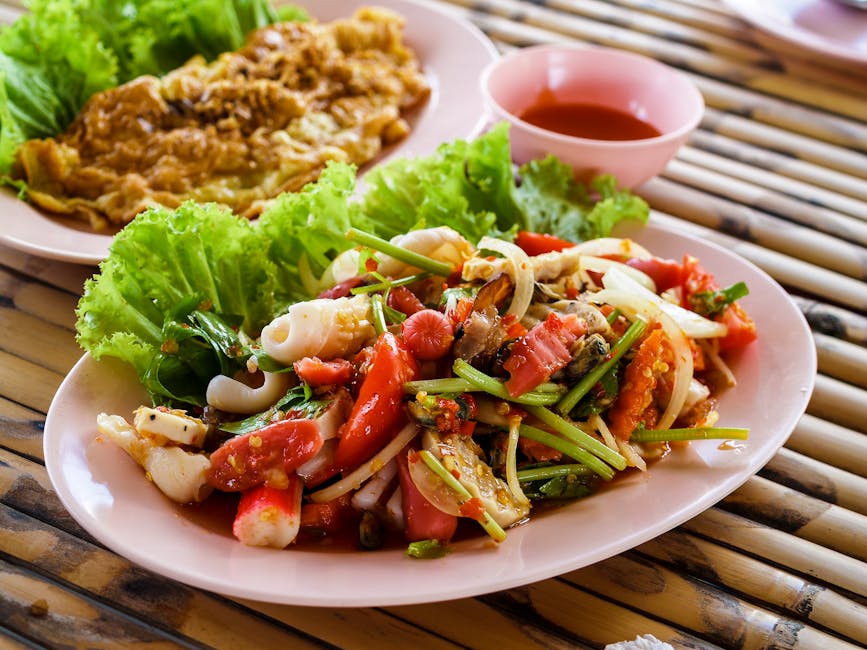
Spicy Recipes for Beginners: Getting Started
Embarking on your journey into the world of spicy recipes can be both exciting and intimidating. Whether you’re looking to add a little heat to your meals or completely transform your cooking style, understanding the fundamentals of spicy cuisine is essential. This comprehensive guide will walk you through everything you need to know about creating delicious spicy dishes, from selecting the right peppers to mastering heat levels that suit your palate.
The beauty of spicy cooking lies not just in the heat, but in the complex flavors and cultural richness that come with it. From the smoky chipotle peppers of Mexico to the fiery bird’s eye chilies of Thailand, each spicy ingredient brings its own unique character to your dishes.
Understanding Heat Levels and the Scoville Scale
Before diving into spicy recipes, it’s crucial to understand how heat is measured and what different levels mean for your cooking. The Scoville Scale, developed by pharmacist Wilbur Scoville in 1912, measures the pungency of chili peppers and other spicy foods. This scale ranges from 0 (bell peppers) to over 3 million Scoville Heat Units (SHU) for the world’s hottest peppers.
For beginners, starting with peppers in the 1,000-5,000 SHU range provides enough heat to be interesting without overwhelming your taste buds. Jalapeños, which fall in the 2,500-8,000 SHU range, are perfect starter peppers for most spicy recipes.
| Pepper Type | Scoville Heat Units | Heat Level | Best Uses |
|---|---|---|---|
| Bell Pepper | 0 | No Heat | Base for mild dishes |
| Poblano | 1,000-2,000 | Very Mild | Stuffed peppers, sauces |
| Jalapeño | 2,500-8,000 | Mild to Moderate | Salsas, poppers, garnishes |
| Serrano | 10,000-25,000 | Moderate to Hot | Hot sauces, marinades |
| Cayenne | 30,000-50,000 | Hot | Dry rubs, seasonings |
| Habanero | 100,000-350,000 | Very Hot | Extreme heat dishes |
Essential Ingredients for Spicy Cooking
Building your spicy pantry is the first step toward mastering spicy recipes. Beyond fresh and dried peppers, several key ingredients will help you create balanced, flavorful dishes that showcase heat without sacrificing taste.
Fresh Peppers and Their Applications
Fresh peppers provide vibrant flavor and controllable heat to your dishes. Jalapeños are versatile workhorses in spicy cooking, perfect for everything from fresh salsas to stuffed appetizers. Serranos offer more heat with a bright, crisp flavor that works wonderfully in Thai and Mexican cuisines.
When selecting fresh peppers, look for firm, glossy skin without soft spots or wrinkles. Store them in your refrigerator’s crisper drawer, where they’ll stay fresh for up to two weeks. Remember that smaller peppers are often hotter than larger ones of the same variety.
Dried Peppers and Spice Blends
Dried peppers and spice blends form the backbone of many spicy recipes. Chipotle peppers (smoked jalapeños) add smoky depth to dishes, while dried Thai chilies bring intense heat to stir-fries and curries. Keeping a variety of dried options allows you to add complexity to your cooking.
- Paprika: Available in sweet, smoked, and hot varieties for versatile seasoning
- Chili powder: A blend typically containing dried chilies, cumin, and oregano
- Red pepper flakes: Perfect for adding quick heat to pizzas, pastas, and marinades
- Gochugaru: Korean chili flakes essential for kimchi and Korean dishes
- Harissa: North African spice paste combining chilies with aromatic spices
- Sambal oelek: Indonesian chili paste for authentic Southeast Asian flavors
Supporting Ingredients for Balance
Successful spicy recipes require ingredients that complement and balance the heat. Acids like lime juice and vinegar help cut through richness while brightening flavors. Dairy products such as yogurt, sour cream, and coconut milk provide cooling relief and help distribute oil-soluble capsaicin throughout dishes.
Sweeteners play a crucial role in balancing spicy flavors. Honey, brown sugar, and maple syrup don’t just counteract heat; they create complex flavor profiles that make dishes more interesting. Fresh herbs like cilantro, basil, and mint add freshness that prevents spicy dishes from feeling heavy.
Basic Techniques for Handling Spicy Ingredients
Learning proper techniques for working with spicy ingredients ensures both safety and optimal flavor development in your recipes. These fundamental skills will serve you well as you explore increasingly adventurous spicy recipes.
Safe Pepper Handling
Always wear gloves when handling hot peppers, especially anything above jalapeño level. The capsaicin in peppers can linger on your hands for hours, causing burning sensations if you touch your eyes or other sensitive areas. If you don’t have gloves, coat your hands with vegetable oil before handling peppers, then wash with dish soap.
When cutting peppers, work on a dedicated cutting board that you can thoroughly clean afterward. Remove seeds and membranes to reduce heat, as these parts contain the highest concentration of capsaicin. Save these elements if you want to add extra heat to oils or vinegars later.
“The key to mastering spicy cooking isn’t about tolerating the most heat—it’s about understanding how to use heat as another layer of flavor in your culinary repertoire.” – Chef Maria Rodriguez
Toasting and Roasting for Enhanced Flavor
Toasting whole dried peppers in a dry skillet for 30-60 seconds awakens their essential oils and deepens their flavor. This technique is particularly effective for making authentic Mexican sauces and moles. Be careful not to burn them, as this creates bitter flavors.
Roasting fresh peppers over an open flame or under a broiler chars the skin and adds smoky sweetness. After roasting, place peppers in a covered bowl to steam, making the skins easy to peel. This technique works beautifully for poblanos, bell peppers, and jalapeños.
Five Essential Spicy Recipes for Beginners
Now that you understand the basics, let’s explore five foundational spicy recipes that will build your confidence and skills. Each recipe introduces different techniques and flavor profiles while maintaining manageable heat levels.
1. Classic Fresh Salsa Verde
This bright, tangy salsa demonstrates how tomatillos and jalapeños create a perfect balance of heat and acidity. Roasting the vegetables first adds depth that raw salsas can’t match.
Ingredients:
- 1 pound tomatillos, husked
- 2-3 jalapeño peppers
- 4 cloves garlic, unpeeled
- 1/2 white onion, quartered
- 1/2 cup fresh cilantro
- Juice of 1 lime
- Salt to taste
Roast tomatillos, jalapeños, garlic, and onion under the broiler until charred. Peel the garlic and blend everything with cilantro and lime juice. This versatile salsa works with chips, tacos, grilled meats, and eggs.
2. Thai-Inspired Spicy Basil Chicken
This quick stir-fry showcases how fresh chilies and aromatic basil create an addictive combination. The recipe teaches essential stir-fry techniques while introducing Thai flavor profiles.
The secret lies in using both fresh Thai chilies for heat and Thai basil for its unique anise-like flavor. Fish sauce adds umami depth, while a touch of sugar balances the heat. Serve this over jasmine rice for an authentic experience.
3. Smoky Chipotle Black Bean Soup
This hearty soup demonstrates how chipotle peppers in adobo sauce add both heat and smoky complexity to dishes. It’s perfect for beginners because the heat level is easily adjustable.
Start with one chipotle pepper and add more to taste. The beans and vegetables provide a substantial base that absorbs and mellows the heat. Top with sour cream, avocado, and cilantro for cooling contrast.
4. Indian-Style Spicy Lentil Dal
Dal introduces the concept of tempering spices (tadka), where whole spices are bloomed in hot oil before being stirred into the dish. This technique maximizes flavor while controlling heat levels.
Red lentils cook quickly and create a creamy texture that carries spices beautifully. The combination of turmeric, cumin, and red chili powder creates layers of flavor beyond simple heat. Serve with naan or rice for a complete meal.
5. Korean Gochujang Glazed Wings
These wings showcase how fermented chili pastes like gochujang provide complex heat with umami undertones. The sweet-spicy glaze demonstrates how balancing flavors creates addictive dishes.
Marinate wings in a mixture of gochujang, soy sauce, honey, and rice vinegar. The fermented chili paste adds depth that plain hot sauce can’t match. Garnish with sesame seeds and scallions for authentic presentation.
Building Heat Tolerance Gradually
Developing a tolerance for spicy food is a gradual process that should be approached with patience. Start with milder spicy recipes and slowly increase heat levels as your palate adapts. This isn’t a race—it’s about expanding your culinary horizons comfortably.
Begin by adding small amounts of mild peppers to familiar dishes. A few red pepper flakes in your pasta sauce or a single jalapeño in your guacamole provides gentle introduction. As you become comfortable, experiment with different types of heat.
Keep dairy products handy when trying new spicy recipes. Milk, yogurt, and ice cream contain casein, which breaks down capsaicin more effectively than water. Bread and rice also help absorb excess heat if a dish proves spicier than expected.
Common Mistakes to Avoid in Spicy Cooking
Understanding common pitfalls helps you create better spicy recipes from the start. These mistakes are easily avoidable once you know what to watch for.
Adding Too Much Heat Too Early
The biggest mistake beginners make is adding all their spicy ingredients at once. Heat builds during cooking, and you can always add more, but you can’t take it away. Start conservatively and taste as you go.
Remember that dried spices and peppers release their heat gradually. A dish that seems mild initially might become quite spicy after simmering. Give flavors time to develop before adjusting heat levels.
Ignoring Regional Flavor Profiles
Not all spicy recipes are interchangeable. Using Thai chilies in Mexican dishes or jalapeños in Indian curries creates confusion on the palate. Learn which peppers and spices belong to different cuisines for authentic flavors.
Study traditional combinations: Mexican cuisine pairs chilies with lime and cilantro, Thai food balances heat with sweet and sour, Indian dishes use warming spices alongside chilies. Understanding these patterns improves your spicy cooking immeasurably.
Forgetting About Seeds and Membranes
The white membranes and seeds in peppers contain the most capsaicin. Leaving them in when a recipe calls for removing them can make dishes unexpectedly fiery. Conversely, removing them when heat is desired leaves dishes disappointingly mild.
Keep removed seeds and membranes to make spicy oils or to add graduated heat to long-cooking dishes. This gives you maximum control over heat levels while minimizing waste.
Creating Your Own Spicy Seasonings and Sauces
Once comfortable with basic spicy recipes, creating custom seasonings and sauces lets you personalize dishes. These preparations also make excellent gifts for fellow spicy food enthusiasts.
Homemade Hot Sauce Basics
Making hot sauce is surprisingly simple and allows complete control over heat and flavor. Start with a basic formula: peppers, vinegar, salt, and garlic. Fermented versions add complexity through lacto-fermentation.
Experiment with different pepper combinations for unique flavors. Add fruits like mango or pineapple for sweetness, or roast peppers first for smokiness. Proper pH levels (below 4.0) ensure safe storage.
Dry Rubs and Spice Blends
Custom spice blends let you add consistent heat to multiple dishes. Combine different dried chilies with complementary spices like cumin, coriander, and paprika. Toast whole spices before grinding for maximum flavor.
Store homemade blends in airtight containers away from light and heat. Label with creation dates and heat levels. Most blends maintain peak flavor for six months when properly stored.
Infused Oils and Vinegars
Chili-infused oils add instant heat and flavor to finished dishes. Heat neutral oil gently with dried chilies, being careful not to burn them. Strain and store in sterilized bottles for up to three months.
Pepper vinegars are Southern staples perfect for seasoning greens and vegetables. Fill a bottle with fresh hot peppers and cover with vinegar. Let steep for at least two weeks before using. The vinegar preserves the peppers while extracting their heat.
Pairing Spicy Foods with Beverages
Choosing the right beverages enhances enjoyment of spicy recipes. Understanding how different drinks interact with capsaicin helps you create better dining experiences.
Avoid water with very spicy foods, as it spreads capsaicin around your mouth without providing relief. Beer works moderately well, with lighter lagers performing better than hoppy IPAs. The carbonation can intensify heat initially but provides eventual relief.
Sweet beverages like Thai iced tea, mango lassi, or horchata provide excellent cooling. The combination of sweetness and dairy (where applicable) counteracts heat effectively. These traditional pairings evolved specifically to complement spicy cuisines.
Wine presents interesting possibilities with spicy foods. Off-dry Rieslings and Gewürztraminers balance heat with residual sugar. Avoid tannic reds, which amplify burning sensations. Sparkling wines can work but may initially intensify heat.
Health Benefits of Spicy Foods
Beyond their exciting flavors, spicy recipes offer numerous health benefits. Capsaicin, the compound responsible for heat, has been extensively studied for its positive effects on health.
Regular consumption of spicy foods may boost metabolism, helping with weight management. Capsaicin increases thermogenesis, causing your body to burn more calories. Studies suggest this effect can last several hours after eating.
Spicy foods may also support heart health by improving circulation and potentially lowering blood pressure. Capsaicin has anti-inflammatory properties that could benefit cardiovascular health. Some research indicates regular spicy food consumption correlates with longer life spans.
The endorphin release triggered by eating spicy foods creates a natural mood boost. This “runner’s high” effect explains why many people become devoted to spicy recipes. The temporary discomfort yields to pleasure as endorphins flood your system.
Storing and Preserving Spicy Ingredients
Proper storage ensures your spicy ingredients maintain maximum flavor and heat for your recipes. Different preservation methods suit different types of peppers and preparations.
Freezing Fresh Peppers
Freeze whole peppers in freezer bags for up to six months. No blanching required—simply wash, dry, and freeze. Frozen peppers work perfectly in cooked dishes though they lose their crisp texture.
For convenience, pre-slice peppers before freezing. Spread on a baking sheet to freeze individually, then transfer to bags. This prevents clumping and allows you to grab exactly what you need.
Drying and Dehydrating
Drying intensifies pepper flavors while preserving them indefinitely. Use a dehydrator, oven on lowest setting, or air-dry in warm, dry climates. Properly dried peppers should be completely brittle.
Grind dried peppers into powders for instant heat addition to any dish. Mix different varieties for complex flavors. Store powders in airtight containers away from light to maintain potency.
Pickling and Fermenting
Pickled peppers add acidic heat to dishes while lasting months in the refrigerator. Simple vinegar brines work well, or try lacto-fermentation for probiotic benefits. Both methods mellow heat slightly while adding tangy complexity.
Fermented hot sauces develop incredible depth over time. Salt, peppers, and time create magic through beneficial bacteria. These living sauces continue evolving, making each batch unique.
Adapting Recipes for Different Heat Preferences
When cooking for groups, accommodating varying heat tolerances ensures everyone enjoys the meal. Smart strategies let you create spicy recipes that please everyone.
Serve heat on the side whenever possible. Offer multiple hot sauces, fresh chilies, and spicy condiments so diners control their heat levels. This approach works particularly well for tacos, bowls, and family-style meals.
Create graduated heat by dividing dishes during cooking. Remove a portion before adding the spiciest ingredients, creating mild and hot versions. This technique works especially well for soups, stews, and curries.
Build dishes with removable heat sources. Whole dried chilies in Chinese dishes or Scotch bonnets in Caribbean stews can be fished out after imparting flavor. Diners wanting more heat can crush them into their portions.
Exploring Global Spicy Cuisines
Every culture approaches spicy recipes differently, offering endless inspiration for your cooking journey. Understanding these traditions enriches your spicy cooking repertoire.
Mexican and Central American Heat
Mexican cuisine uses dozens of chile varieties, each with distinct flavors and heat levels. From mild poblanos to fiery habaneros, peppers are roasted, dried, ground, and combined in complex sauces. Moles showcase this sophistication, balancing heat with chocolate and spices.
Central American cuisines add their own twists with local peppers and preparation methods. Salvadoran pupusas get heat from curtido, while Guatemalan pepián uses toasted seeds and peppers for earthy heat.
Asian Spice Traditions
Asian cuisines demonstrate incredible diversity in their use of heat. Sichuan cuisine combines numbing Sichuan peppercorns with dried chilies for its distinctive málà flavor. Korean cooking uses gochugaru and gochujang for sweet-spicy depth.
Southeast Asian cuisines balance heat with sour, sweet, and umami. Thai dishes achieve harmony between bird’s eye chilies and coconut milk, while Vietnamese cuisine uses fresh chilies as garnishes for customizable heat.
Middle Eastern and African Approaches
Middle Eastern cuisines often use spice blends like harissa and zhug for complex heat. These preparations combine chilies with aromatic spices, creating layers of flavor beyond simple burning.
African cuisines showcase incredible diversity in spicy preparations. Ethiopian berbere blends combine chilies with warming spices, while West African cuisines use Scotch bonnets for intense, fruity heat. North African tagines balance preserved lemons with moderate heat for sophisticated flavors.
Moving Forward with Your Spicy Cooking Journey
Mastering spicy recipes opens up a world of culinary possibilities. As you continue exploring, remember that the journey is as important as the destination. Each dish teaches something new about balancing flavors and understanding heat.
Document your experiments in a cooking journal, noting which peppers and spice levels work for different dishes. This personal reference becomes invaluable as you develop your own signature spicy recipes. Include notes about what worked, what didn’t, and ideas for future variations.
Connect with other spicy food enthusiasts through online communities and local cooking groups. Sharing recipes and experiences accelerates learning while providing inspiration for new dishes. Many cities have hot sauce festivals and chili cook-offs where you can taste and learn.
Most importantly, have fun with your spicy cooking adventures. Don’t be discouraged by dishes that turn out too mild or too hot—these experiences teach valuable lessons. With practice and patience, you’ll develop intuition for creating perfectly balanced spicy recipes that excite and satisfy.
Whether you’re adding a pinch of cayenne to your morning eggs or attempting a complex mole negro, remember that spicy cooking is about more than heat. It’s about understanding ingredients, respecting traditions, and creating memorable meals that bring people together. Your journey into spicy recipes has just begun, and the possibilities are truly endless.
