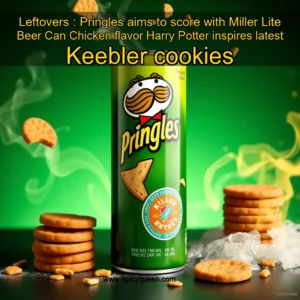

The Frito-Lay brand is known for its iconic snacks like Lay’s potato chips, Doritos, and Cheetos. The company has been quietly working on a new product, and the anticipation is palpable.
The Mysterious Product
The new product is shrouded in secrecy, with Frito-Lay refusing to comment on the rumors.
Brands are responding by creating immersive experiences that blur the lines between reality and fantasy.
The Rise of Drop Culture in Food
In recent years, the concept of “drop culture” has spread to the food industry, mirroring the trends seen in fashion and streetwear. This phenomenon is characterized by the sudden, exclusive release of limited-edition products, often accompanied by a sense of urgency and FOMO (fear of missing out). Consumers are drawn to these drops, feeling like they’re part of a select group that’s “in the know.”
The Psychology Behind Drop Culture
So, what drives this behavior? According to experts, it’s a combination of factors:
This synergy creates a unique taste experience that is both familiar and new.
The Science Behind the Flavor
The combination of spicy and sour flavors in Dill Pickle Hot Cheetos is rooted in the way our brains process taste. When we eat spicy foods, capsaicin binds to pain receptors in our mouths, sending signals to the brain that the food is hot. This activation triggers a response that can be described as a burning sensation. At the same time, sour foods stimulate the salivary glands, releasing enzymes that break down proteins and fats, making the food more palatable. The brain processes the two sensations separately, but simultaneously, creating a complex flavor profile. The combination of spicy and sour flavors can enhance the perception of sweetness and umami flavors. The activation of pain receptors can also increase the release of dopamine, a neurotransmitter associated with pleasure and reward.
The Psychology of Flavor Preferences
Flavor preferences are not just a matter of personal taste, but also influenced by cultural and social factors. The popularity of spicy foods, for example, can be attributed to the growing interest in international cuisine and the increasing availability of spicy condiments and sauces. The perception of heat can be influenced by cultural norms and expectations.
It’s about the intersection of social media, nostalgia, and the desire for something new.
The Rise of Global Snacking
In recent years, the global snacking market has experienced significant growth, driven by the increasing popularity of international flavors and ingredients. This trend is evident in the rise of brands like Takis, Pocky, and Wasabi Peas, which have become staples in many American households. Key statistics: + The global snacking market is projected to reach $1.4 trillion by 2025. + International flavors account for 40% of the global snacking market. + The average American consumes 2.5 snacks per day.
The Power of Social Media
Social media has played a significant role in the rise of global snacking. Platforms like Instagram and TikTok have created a space for brands to showcase their products and connect with consumers. The Dill Pickle Hot Cheetos craze is a prime example of how social media can drive a trend. How social media influences snacking: + Influencer marketing: Brands partner with social media influencers to promote their products. + User-generated content: Consumers share their experiences with products on social media.
In this system, the value of a product or service is determined by its scarcity, rather than its inherent value or quality.
The Rise of the Scarcity Economy
The scarcity economy is a phenomenon where the value of a product or service is determined by its limited availability, rather than its inherent value or quality. This system has been fueled by social media, where speculation and FOMO (fear of missing out) have created a culture of scarcity.
The Psychology of Scarcity
Scarcity is a powerful psychological driver that can create a sense of urgency and desire for a product or service. When a product is scarce, it can create a sense of exclusivity and prestige, making people more likely to want it. This is because scarcity can create a sense of FOMO, where people feel like they need to act quickly to avoid missing out. The scarcity economy is not just limited to physical products; it also applies to digital products and services. Social media platforms like Instagram and Facebook have created a culture of scarcity, where people feel pressure to keep up with the latest trends and products. The scarcity economy has also led to the rise of “limited edition” products, which are designed to create a sense of urgency and exclusivity.
The Impact of the Scarcity Economy on Consumers
The scarcity economy has had a significant impact on consumers, who are now more likely to prioritize products based on their scarcity rather than their quality or value.