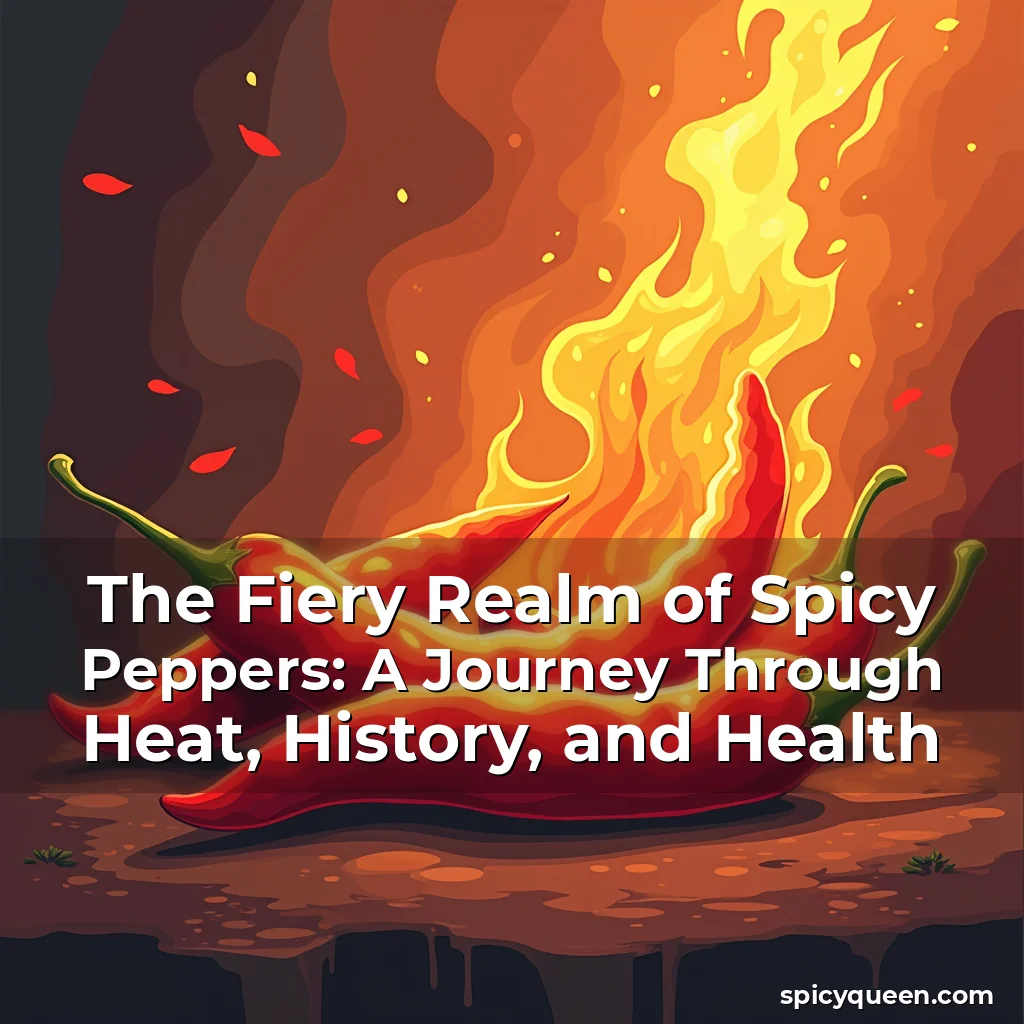
The Fiery Realm of Spicy Peppers: A Journey Through Heat, History, and Health
In the world of flavors, few things ignite passion quite like the fiery embrace of spicy peppers. From the smoky depths of chipotle to the searing heat of ghost peppers, these vibrant fruits have carved their place in culinary traditions across cultures and continents.
Spicy peppers are not merely ingredients; they are symbols of boldness, resilience, and adventure. Their journey from ancient Mesoamerican roots to global spice markets is as rich and complex as the flavors they bring to our plates.
The Origins and Evolution of Spicy Peppers
Spicy peppers trace their lineage back over 7,500 years to the region that encompasses modern-day Mexico and Central America. Indigenous peoples cultivated Capsicum species long before European explorers encountered them in the late 15th century.
Columbus’s voyages inadvertently launched an era of pepper proliferation. Spanish conquistadors brought chili seeds to Europe, where they quickly became integral to Mediterranean cuisines, transforming dishes like Italian pasta sauces and Hungarian goulash forever.
- Botanical Classification: All true peppers belong to the genus Capsicum within the nightshade family Solanaceae.
- Global Spread: By the early 1600s, peppers had reached Asia through Portuguese traders, revolutionizing Indian curries and Chinese stir-fries with their distinctive heat.
Understanding Scoville Heat Units: Measuring the Burn
The Scoville scale remains the most widely recognized method for quantifying pepper heat. Developed by pharmacist Wilbur Scoville in 1912, it originally involved diluting pepper extracts until the heat was undetectable to human taste testers.
Modern technology has refined this process using high-performance liquid chromatography (HPLC) to measure capsaicinoid concentrations accurately. This scientific approach allows for precise comparisons between different pepper varieties.
The Science Behind the Heat
Capsaicin, the primary compound responsible for spiciness, binds to pain receptors in the mouth and throat. This interaction triggers signals to the brain interpreted as burning sensations, even though no actual damage occurs.
Interestingly, capsaicin also activates TRPV1 receptors associated with body temperature regulation. This explains why consuming hot peppers can sometimes lead to sweating or flushing reactions similar to those caused by physical exertion.
Exploring Iconic Pepper Varieties Around the World
No discussion of spicy peppers would be complete without exploring some legendary cultivars known for their extreme heat and unique flavor profiles. The Carolina Reaper holds the current Guinness World Record for the hottest pepper at over 2 million Scoville units.
Beyond record-breaking specimens, traditional varieties offer distinct regional characteristics. Serrano peppers from Mexico provide bright acidity perfect for salsas, while Thai bird chilies deliver intense heat balanced by floral undertones ideal for Southeast Asian cuisine.
- Habanero: Native to the Americas, habaneros range from 100,000 to 350,000 SHU with tropical fruit notes reminiscent of apricot and citrus.
- Ghost Pepper: Originating from India, Bhut Jolokia delivers punishing heat levels above 1 million SHU alongside earthy, peppery aromatics.
Cooking with Fire: Techniques for Handling Hot Peppers Safely
Working with extremely hot peppers requires careful preparation to avoid skin irritation or accidental ingestion. Wearing gloves when handling raw peppers helps prevent contact with sensitive areas like eyes and face.
Proper ventilation is essential during cooking processes involving dried or powdered peppers. Using a mask may be necessary when grinding exceptionally hot varieties to minimize inhalation risks.
Safety First: Essential Precautions
Always wash hands thoroughly after touching any part of a hot pepper, especially before eating or touching your face. If capsaicin comes into contact with skin, washing with soap and water removes it effectively.
For eye exposure accidents, rinse affected area under running water for at least 15 minutes. Applying milk or yogurt can help neutralize residual oils clinging to mucous membranes.
Nutritional Powerhouses: The Health Benefits of Spicy Peppers
Despite their reputation for causing discomfort, spicy peppers pack significant nutritional value. They are excellent sources of vitamin C, potassium, and dietary fiber, offering numerous health benefits beyond mere flavor enhancement.
Vitamin C content often rivals that found in oranges or strawberries, making peppers valuable additions to immune-supportive diets. Potassium contributes to heart health by helping regulate blood pressure through sodium balance mechanisms.
- Antioxidant Properties: Capsanthin, a carotenoid found in red bell peppers, exhibits potent antioxidant activity comparable to other plant-based compounds.
- Metabolic Boost: Studies suggest capsaicin might increase thermogenesis, potentially aiding weight management efforts when combined with regular exercise routines.
Pepper Cultivation: Growing Your Own Heat Source
Growing spicy peppers offers both personal satisfaction and control over quality. Most common varieties thrive in warm climates but many can be successfully grown indoors year-round with appropriate lighting conditions.
Selecting suitable locations depends largely on local climate zones. Full sun exposure is crucial for optimal growth, requiring at least six hours daily direct sunlight for healthy development.
Choosing the Right Variety for Your Garden
Beginners should consider less aggressive varieties such as jalapeños or serranos which tolerate cooler temperatures better than superhot types. These options mature faster and produce reliable yields even in suboptimal growing conditions.
Hybrid strains bred specifically for disease resistance make excellent choices for novice gardeners seeking dependable harvests regardless of environmental fluctuations. Researching local agricultural extensions provides tailored recommendations based on microclimate specifics.
Cultural Significance: How Spices Shape Societies
Throughout history, access to certain spices determined trade routes and shaped entire economies. The pursuit of pepper led to exploration campaigns that transformed global geopolitics through colonial expansions driven primarily by commercial interests.
Today’s international food culture owes much to historical migrations carrying pepper knowledge along with people themselves. Culinary fusion resulting from cross-cultural exchanges continues enriching contemporary gastronomy worldwide.
Spice Blending Artistry: Creating Flavorful Combinations
Mastering the art of combining different peppers opens up endless possibilities for creating nuanced flavor profiles. Balancing sweet, sour, salty, bitter, and umami elements forms the foundation of great seasoning blends.
Tasting small quantities gradually increases tolerance while allowing appreciation of each component’s contribution towards overall complexity. Adjustments made incrementally ensure desired results without overwhelming palates unnecessarily.
- Base Flavors: Building from mild foundations allows gradual escalation toward bolder combinations without risking overpowering effects prematurely.
- Texture Considerations: Dried versus fresh preparations affect final consistency significantly; choosing appropriately textured components ensures cohesive outcomes.
Finding Quality Spices: Shopping Tips for Enthusiasts
Purchasing premium quality spices involves understanding packaging dates, origin information, and processing methods used by manufacturers. Freshly ground products typically retain higher potency compared to pre-packaged alternatives stored for extended periods.
Opting for whole spice pods instead of powders preserves aroma integrity longer, particularly beneficial when buying rare or exotic varieties prone to losing volatile compounds rapidly once crushed.
Evaluating Spice Authenticity
Reputable vendors usually source directly from producers rather than relying solely on third-party resellers who may compromise authenticity standards due to cost-cutting measures. Certifications indicating geographical indications add credibility regarding product provenance.
Checking reviews from fellow enthusiasts provides practical insight into real-world performance metrics that specifications alone cannot fully convey. Personal experiences shared openly serve as invaluable guides when selecting new products.
Preservation Methods: Keeping Heat Alive
Proper storage techniques maintain potency and freshness of spices indefinitely. Storing away from light, moisture, and strong odors prevents degradation affecting both scent and intensity levels appreciably.
Airtight containers placed inside cool pantries or cabinets work well for preserving delicate nuances present in finer grade selections. Refrigeration may extend shelf life further although unnecessary unless dealing with highly perishable items.
- Drying Technique: For home drying purposes, spreading thinly on baking sheets then dehydrating at low temps preserves color vibrancy best without damaging structural integrity excessively.
- Oiling Method: Infusing oils with selected spices creates versatile bases useful across various applications including marinades, dressings, or finishing touches enhancing ready-made meals instantly.
Enhancing Taste Experiences: Pairing Suggestions
Complementary pairings elevate simple recipes into extraordinary creations worthy of sharing among friends and family gatherings alike. Sweet elements counteract harsher aspects beautifully when incorporated thoughtfully throughout meal courses.
Lemon juice adds brightness offsetting richness inherent in fatty proteins commonly paired together traditionally. Herbs introduce refreshing contrast against persistent warmth lingering from hotter components utilized strategically.
- Acid Balance: Vinegar solutions prove effective at mellowing out excessive fire without compromising core identity defining particular dish identities distinctly.
- Crunch Factor: Incorporating crisp textures introduces dynamic contrasts appealing visually as well as texturally reinforcing multi-dimensional appeal inherently desirable within flavorful compositions.
Spicy Queen Community Spotlight: Stories & Shared Passion
The Spicy Queen community thrives on passionate discussions surrounding all facets related to spicy foods—from backyard gardening tips passed down generations to competitive eating challenges testing endurance limits courageously displayed publicly online platforms regularly.
Members share stories about overcoming initial aversion only later discovering unexpected joys derived from embracing increasingly adventurous palates gradually opening doors leading deeper exploration opportunities continuously expanding horizons progressively.
- Community Events: Regular meetups organized around themed tastings allow participants to sample diverse offerings safely guided by experienced mentors ensuring enjoyable learning environments fostering camaraderie simultaneously.
- Online Forums: Virtual spaces dedicated exclusively to exchanging knowledge facilitate troubleshooting issues faced individually yet collectively benefitting broader audiences seeking resolutions efficiently attained through collaborative problem-solving approaches applied systematically.
Conclusion
From their ancient origins to modern-day fascination, spicy peppers continue captivating hearts and palates globally. Understanding their science, cultivation, and cultural significance deepens our connection with these remarkable plants.
Whether you’re cultivating your own garden, experimenting with new recipes, or simply enjoying the thrill of the burn, there’s always something exciting waiting around every corner in the fiery realm of spicy peppers.